What does conversion-focused web design mean?
Conversion-driven web design is the practice of building a site so each page drives a clear business outcome, whether that outcome is a phone call, form submission, quote request, or purchase. Instead of treating design as decoration, this approach applies conversion rate optimization principles to remove friction, guide attention, and make the next step obvious.
At the center of this strategy is user experience. If visitors can quickly understand what you do, trust what they see, and move through the site without confusion, your website conversions are more likely to rise. That means the homepage, service pages, and each landing page should answer the visitor’s main questions fast: What is this company? Why should I care? What should I do next?
Strong conversion design also relies on a clear call to action. A CTA should not feel hidden, vague, or buried below the fold. It should match the visitor’s buyer intent and the stage of the customer journey. For example, someone comparing options may respond to “Get a Free Estimate,” while someone ready to buy may respond to “Book Your Consultation.”
In practice, conversion-focused design is about usability, friction reduction, and headline clarity. When the message is easy to scan and the path forward is simple, more visitors engage, click through, and convert.
Why do web design influence website conversions?
Good design affects sales performance because visitors assess a business within a few seconds. If the site feels outdated, clunky, or disjointed, people often exit before they ever reach the point of action. That raises the bounce rate and lowers engagement, both of which can limit leads.
One major factor is trust signals. Testimonials, credentials, service guarantees, recognizable partners, and real team photos all increase brand credibility. These elements comfort visitors that the business is legitimate and dependable. For local companies in particular, trust matters because users often compare neighborhood providers, regional service areas, and reputation before contacting anyone.
Mobile responsiveness is another key factor. Many visitors browse on phones, especially when searching locally or during a commute. If a page does not render smoothly to small screens, buttons become hard to tap, text becomes hard to read, and forms become frustrating. That creates poor mobile UX and reduces conversion rate.
Page speed is equally essential. https://fulton-ny-hx396.nexorafield.com/posts/ai-marketing-automation-for-local-business-sites-in-buffalo-ny Slow pages disrupt attention and damage both usability and performance metrics such as scroll depth and click-through rate. A delay of just a few seconds can cause people to leave a page before they see the CTA. Fast-loading pages make it easier for users to explore service details, compare offers, and move toward lead generation.
For Buffalo, NY businesses and those across Western New York, this matters even more because local buyers often expect straightforward, easy-to-understand websites that show service area relevance fast. Whether someone is searching from downtown Buffalo, the suburbs, or surrounding communities, the site needs to feel regionally relevant, responsive, and trustworthy from the first interaction.
Which design elements increase conversions the most?
The highest-impact design elements are those that reduce confusion and help visitors take action with confidence. In most cases, that starts with navigation. A straightforward menu with obvious service categories helps users locate what they need without difficulty. Good site architecture strengthens search engines and people simultaneously, making the site more convenient to explore and more seamless to convert from.
Visual hierarchy equally plays a key role. Headings, subheadings, spacing, contrast, and image placement should direct the eye toward the primary message first. If every element vies for attention, the page becomes overwhelming and the CTA loses power. When hierarchy is done well, the visitor intuitively follows the intended path from problem awareness to action.
Forms are another conversion bottleneck. Long or confusing forms create form friction, especially on mobile devices. The most effective forms ask only for what is actually needed at that stage. A quote request form may only need a name, email, phone number, and brief project details. Minimal fields often mean more submissions, better completion rates, and higher lead quality.
Button placement deserves thoughtful attention as well. CTAs should appear where people are ready to act, not just at the bottom of the page. Strategic placement near service summaries, testimonials, and pricing cues can improve CTA optimization. Repeating the same action button in key sections can increase clicks without overwhelming the user.
Well-designed landing pages tend to bring together all of these elements: focused messaging, organized sections, relevant proof, and a single conversion goal. That combination improves click-through rate and reduces distractions that would otherwise pull visitors away from the offer.
In what way can SEO services boost better converting web design?
seo services and web design should work as an integrated whole. A attractive site that does not match search intent will have a hard time converting, and a carefully optimized page that feels awkward will also underperform. The best approach is to align design with the questions people are already asking in search.
That starts with content mapped to intent. Knowledge-based pages should inform. Solution pages should inspire action. Location-based pages should help nearby users make a quick choice. When design supports that structure, visitors find relevant answers more quickly and move through the page with more ease. This improves semantic relevance and supports stronger conversion rate outcomes.
Internal linking is another useful bridge between SEO and conversion design. Links can lead users from blog content to service pages, from service pages to case studies, and from general information to conversion-focused landing pages. This not only helps search engines understand the page relationships, but also supports the visitor’s decision-making process.
Content optimization matters too. Headline copy, service descriptions, testimonials, and FAQs should all strengthen the main offer and ease hesitation. Good content improves clarity, builds trust, and keeps attention moving toward the CTA. For example, a page that clearly explains service benefits, service area coverage, and next steps is more likely to convert than a page filled with vague marketing language.

For Buffalo businesses, seo services should also support local landing pages that reflect neighborhood relevance, proximity, and service-area relevance. That means pages tailored to Buffalo, nearby suburbs, and broader Western New York search behavior. When design and SEO align, the site attracts the right traffic and gives that traffic a better chance to convert.
How does digital marketing and web design complement each other?
digital marketing and web design are most effective when they are developed together. Marketing brings traffic; design turns that traffic into action. If a campaign sends visitors to a page that is hard to follow, slow, or inconsistent with the ad message, the conversion rate will drop. If the design matches campaign intent, lead generation becomes more efficient and more successful.
Sunstone Digital Tech50 Fountain Plz #1400, Buffalo, NY 14202
(315) 758-3349
https://maps.app.goo.gl/y9HMhvcoPCh9V3eKA
https://sunstonedigitaltech.com/buffalo-marketing-agency/web-design
42.8898193, -78.8738661
A strong web design strategy strengthens lead generation by making offers easy to see and well-targeted. This includes service pages, landing pages, quote forms, and trust-building content. Each page should be coordinated with the campaign source. For example, a paid search campaign can send visitors to a streamlined landing page with one offer and one CTA, while a social campaign might need a more educational layout.
analytics are what make this relationship clear. By tracking scroll depth, form submissions, click-through rate, and user flow, businesses can see where visitors drop off and where they convert. This data reveals which design choices support and which ones create friction. With the right measurement plan, design decisions become performance decisions.
remarketing also benefits from good design. Visitors who do not convert on the first visit often return later after seeing follow-up ads or emails. A simple, consistent design system helps them recognize the brand and resume the customer journey without confusion. This can improve lead quality because returning visitors often have stronger buyer intent.
For businesses in Buffalo, NY and Western New York, coordinated digital marketing should also reflect local demand patterns. Seasonal shifts, weather-driven service needs, and downtown versus suburban customer patterns can influence when people are ready to take action. A well-designed site can support those campaigns with timely offers, locally relevant landing pages, and a consistent brand message.
What role do AI experts play in improving conversion rates?
ai experts can support businesses improve conversion performance by using data more intelligently. Rather than leaning only on assumptions, AI-driven analysis can detect patterns in behavior, spot drop-off points, and recommend changes that enhance engagement and website conversions.
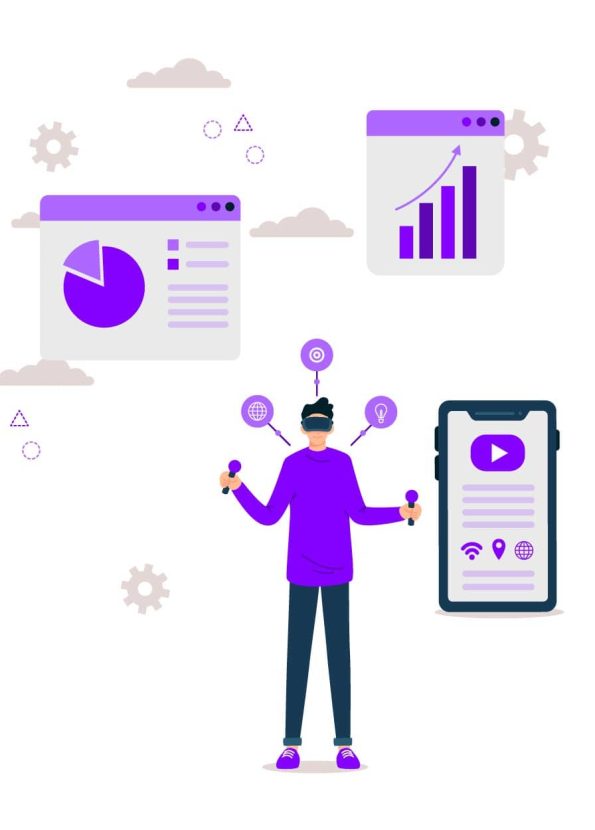
One key use is personalization. Different visitors often want different things. Some want fast contact options, while others need education or reassurance. AI can assist tailor content blocks, recommendations, or callouts based on behavior, location, device type, or previous visits. That makes the experience more relevant and often increases conversion rate.
predictive analytics is another strength. AI can examine performance metrics and assist anticipate which pages, offers, or audience segments are most likely to produce leads. This can guide where to place CTAs, which headlines to test, and which pages need additional trust signals. The result is more strategic use of design resources.
A/B testing becomes more powerful when AI helps rank what to test. Instead of changing random elements, businesses can test headline clarity, CTA wording, button placement, page length, or form structure. Over time, these tests reveal what improves usability and what creates friction.
AI can also help improve personalized content across the site. That might include suggested services, localized messaging for specific service areas, or content variations based on buyer intent. For companies working with ai experts, the goal should not be novelty. The goal should be measurable improvement in lead generation, lead quality, and conversion outcomes.
What typical web design mistakes hurt conversions?
Several frequent mistakes repeatedly hurt performance. A cluttered layout is one of the main issues. An excess of competing signals, colors, images, or offers make it more difficult for visitors to decide what matters. When the page feels hard to follow, users often scan with less focus, engage less often, and leave faster.
sluggish load times are another major problem. Even if the design looks good, delays weaken the user experience and increase abandonment. Speed issues can also affect mobile users more strongly, especially if the page contains heavy images, uncompressed files, or too many scripts. Speedier pages tend to support improved scroll depth and more effective click-through behavior.
ineffective messaging is also costly. If the headline does not explain the offer clearly, visitors have to work extra hard to understand the business. That weakens headline clarity and can cause users to bounce before they see the value proposition. Every important page should promptly answer what the company does, who it serves, and why it is the best choice.
bad mobile UX can silently damage conversion rate. Small buttons, cramped text, broken layouts, and hard-to-complete forms all create friction. Because so much traffic is mobile, responsive design is no longer optional. A page should feel natural on a phone, not simply scaled down from desktop.
Other issues include hidden CTAs, inconsistent branding, weak trust signals, and pages that do not match search intent. Each of these problems interrupts the customer journey and makes it harder for users to move from interest to action.
In what way should Buffalo, NY organizations tailor web design to local needs?
In the case of Buffalo, NY companies, regional design strategy should mirror the way people in the region look, evaluate, and decide. Local users often look for fast answers, recognizable names, and clear signs that a company serves their area. That is why local SEO and conversion-focused design need to work together.
A key factor is community trust. In Buffalo and throughout Western New York, people often value familiarity and reputation. If a website features local testimonials, recognizable neighborhood references, and proof of regional experience, it can strengthen brand credibility. That trust factor matters whether the customer is in downtown Buffalo, Amherst, Cheektowaga, or another nearby area.
Local landing pages should also reflect proximity and service-area relevance. A page designed for a Buffalo audience should speak directly to local needs, not use generic language that could apply anywhere. Mentioning neighborhoods, suburbs, and nearby service zones can make the page feel more relevant and improve local search alignment.
Seasonal demand also affects behavior in this market. Buffalo businesses often see shifts based on weather, timing, and regional service needs. Web design should support those cycles with flexible messaging, urgent offers when appropriate, and clear contact paths. For example, local service providers may benefit from landing pages that address same-day needs, winter concerns, or neighborhood-specific service questions.
When local SEO, messaging, and design are aligned, the website becomes more than a digital brochure. It becomes a conversion tool that speaks to the regional audience, supports neighborhood familiarity, and improves the odds that a searcher becomes a lead.
Which questions should you ask before redesigning a website?
Before starting a redesign, businesses should define the exact outcome they want. The first question is simple: what are the conversion goals? Do you want more calls, more quote requests, more ecommerce sales, or more booked appointments? Without a clear goal, design decisions become subjective and less effective.
Next, review the customer journey. From where do visitors come from? What information do they need first? Where do they hesitate? Mapping the journey helps identify which pages need the most improvement and where visitors may be dropping out before converting.
You should also assess your brand strategy. Does the current site reflect the business accurately? Is the tone consistent with the audience? Does the visual identity support trust and brand credibility? A redesign should strengthen the brand, not just revise colors and fonts.
A thorough website audit is essential. Review performance metrics, page speed, bounce rate, form completion, mobile behavior, navigation flow, and top exit pages. Look at heatmaps and analytics to understand where people click, where they stop scrolling, and which CTAs attract attention. This data helps identify whether the issue is design, messaging, content, or technical performance.
Finally, ask whether the new site will support SEO, lead generation, and digital marketing from the start. A redesign should improve conversion rate, but it should also create a stronger foundation for future growth. The best sites are built with both users and search engines in mind.
FAQ
What web design changes improve conversions the fastest?
The fastest improvements usually come from clearer headlines, stronger CTA optimization, better button placement, faster page speed, and simpler forms. These changes reduce friction quickly and make it easier for visitors to understand the offer and take action.
How does mobile-friendly design affect conversion rates?
Mobile-friendly design improves usability on phones and tablets, which reduces frustration and bounce rate. When pages use responsive design, readable text, easy tap targets, and short forms, users are more likely to complete actions and convert.
Can SEO services and web design work together to boost leads?
Yes. seo services help attract the right traffic through search intent, internal linking, and content optimization, while web design helps that traffic convert. When both are aligned, the site supports better lead generation and stronger lead quality.
How do AI experts help improve website conversions?
ai experts help by using tailored experiences, forecasting insights, and A/B testing to discover what improves better results. They can analyze visitor trends, optimize content, and suggest design changes that improve conversion rate and engagement.
What should Buffalo, NY businesses prioritize in a redesign?
Buffalo, NY businesses should emphasize local visibility, local credibility, clear regional relevance, and pages tailored to the local audience. A redesign should also support mobile responsiveness, strong trust signals, and conversion goals that match local customer behavior in Western New York.